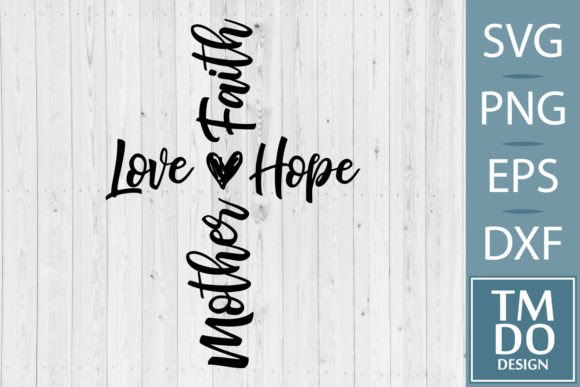
Amen SVG Design, Faith Svg Design: A Thoughtful Review for Real Projects
Real-Life Embroidery Use Cases
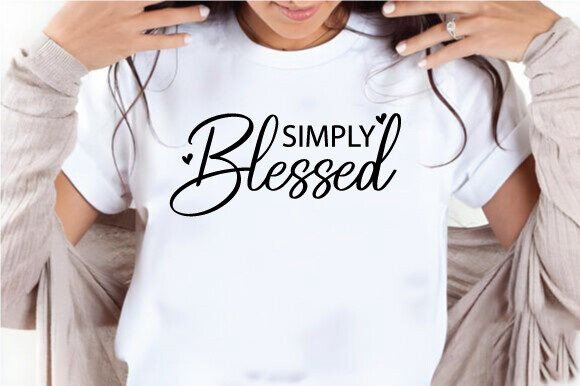
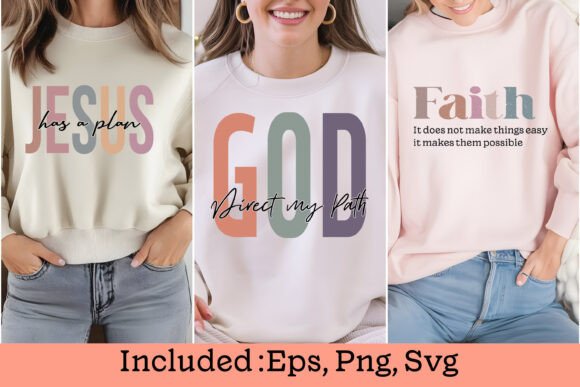
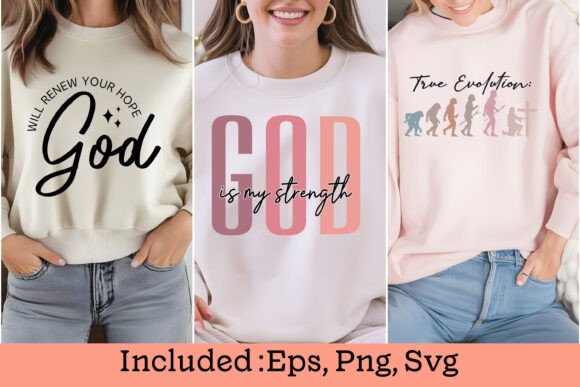
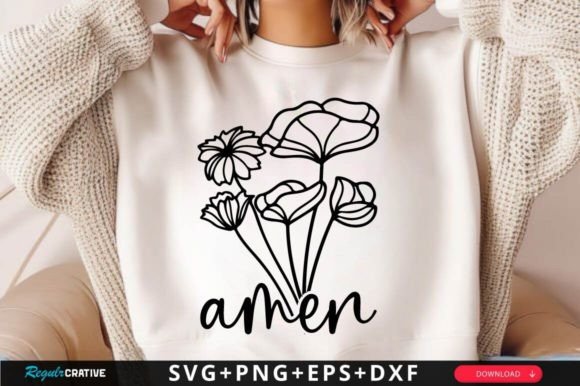
Custom Apparel: On t-shirts and sweatshirts, the Amen SVG Design, Faith Svg Design shines. Its clear typography and minimal details make it easy to stitch accurately, even on medium-weight fabrics. I’d consider using it for boutique branding or small shop products where a heartfelt message can elevate the overall look.
Tote Bag Design: A tote bag is one of my go-to canvases for machine embroidery designs. The flat surface allows for precise placement and consistent stitch quality. With this design, you’ll want to ensure proper stabilizer use to prevent puckering, especially if the fabric has some texture.
Baby Clothes & Nursery Decor: If scaled appropriately and stitched with care, this design can add a sweet and meaningful touch to baby hoodies, bibs, or wall art. Just be mindful of the fabric type—thin or stretchy materials may require additional support to keep the design from distorting.
Aprons and Pillow Covers: These items are perfect for showcasing applique-style embroidery. The Amen SVG Design, Faith Svg Design works well with satin stitch outlines and fill stitch interiors, making it ideal for decorative aprons or cozy home décor pieces like pillow covers.
Holiday and Wedding Gifts: During the holidays or for special events like weddings, this design adds a nice personal touch. Whether stitched onto a gift box label, a handmade ornament, or a personalized throw blanket, it brings a sense of intention and thoughtfulness.
Etsy Listings and Craft Business Merchandise: For digital product sellers or Etsy entrepreneurs, this design can serve as a strong asset. Its universal appeal makes it suitable for multiple niches, including faith-based gifts and general sentiment-driven items. Pairing it with a printable mockup will help buyers visualize how it looks on actual products before purchasing.
Where to Use with Caution
- Small Hoop Sizes: If you plan to use this design in a tiny hoop (like for earrings or mini patches), check the size and simplify elements if necessary. Tiny lettering may not hold up well under close inspection after stitching.
- Textured or Stretchy Fabrics: The design relies on clarity and definition, so using it on knits or rough-spun materials could lead to misalignment or loss of detail. Always test on a scrap piece of similar fabric first.
- Dark Fabric Backgrounds: Thread color contrast becomes crucial here. While the design is likely intended for light-colored backgrounds, if you're using darker materials, opt for white or metallic threads to maintain visibility.
- Curved Surfaces: When applying the design to caps, hats, or curved surfaces, adjust the placement carefully. Some parts may distort unless you modify the design for the curvature.
- Frequent Washing: If your project is something like a kitchen towel or baby item that gets washed regularly, inspect the stitch density and use high-quality thread to ensure durability over time.
Practical Designer Notes for Use
- Test on Scrap Fabric: Before committing to a final product, always test the design on a scrap of the same material you’ll be using. This lets you catch issues with distortion, thread tension, or stitch alignment early.
- Check Thread Color Contrast: Especially important for dark or patterned fabrics. Consider how visible the design will be once stitched and whether the chosen colors align with your aesthetic goals.
- Review Stitch Density: Dense stitch areas may cause puckering or stiffness. Adjust the density settings based on your fabric to maintain comfort and flexibility.
- Confirm Hoop Size Requirements: Since the product description doesn’t specify hoop sizes, double-check the design files before starting large batches. You don’t want to discover mid-project that your hoops won’t accommodate it.
- Inspect Small Details: Look closely at lettering and any smaller elements. They should remain legible and intact after stitching, even if you scale the design down slightly.
- Use Proper Stabilizer: Especially on thin or stretchy materials. A good stabilizer will help maintain the shape and integrity of the design during the embroidery process.
- Test in Black and White: To evaluate how the design holds up without color. This can help identify potential issues with contrast or readability.
- Compare Light and Dark Fabrics: See how the design interacts with different background tones. This is essential for product photography and mockups.
- Check Commercial Licensing: If you plan to sell finished products or digital embroidery files, confirm the license terms. Not all designs are cleared for commercial use, and it’s better to verify before listing anything online.