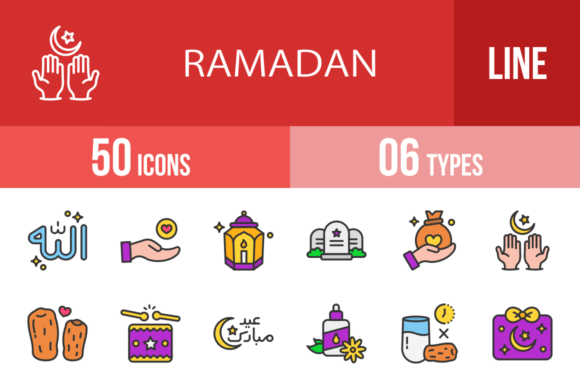
50 Ramadan Filled Line Icons for Embroidery Projects
If you're an embroidery designer, a small business owner, or someone who regularly works with handmade products, you know that the right design can make all the difference. When I first downloaded the 50 Ramadan Filled Line Icons, I was curious to see how they would translate from digital graphics to actual stitch on fabric. These icons are described as suitable for mobile apps, websites, and print—but what about their real-world performance in embroidery projects? Let’s dig into the practical side of using these machine embroidery designs in your craft work.
A First Look: Mood and Visual Language
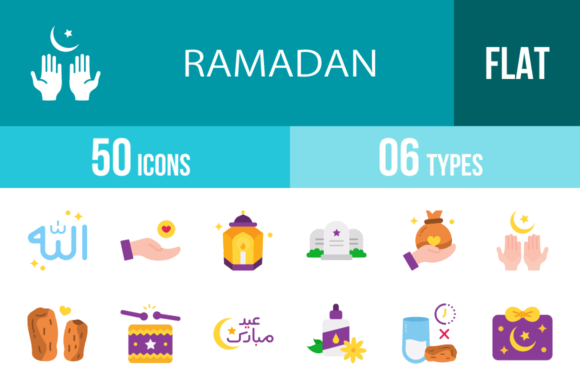
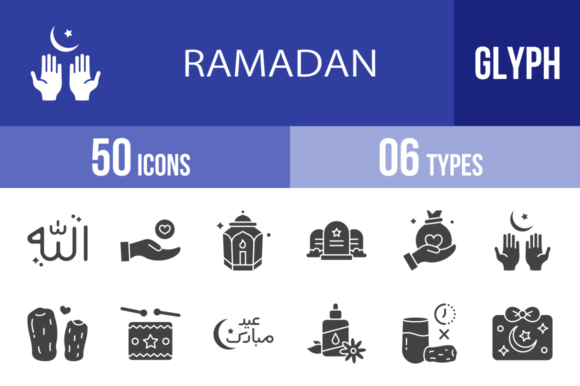
The 50 Ramadan Filled Line Icons come across as clean, elegant, and culturally resonant. Each icon uses filled line elements to convey traditional motifs—like crescent moons, stars, lanterns, dates, and prayer beads—with a modern touch. The overall mood is warm and festive, perfect for creating holiday gifts or custom apparel that celebrates the spirit of Ramadan.
As a designer, I appreciate how the visual personality of each icon feels balanced between simplicity and meaning. They’re not overly detailed, which is great for smaller applications, but still rich enough to add visual interest without overwhelming the eye. This makes them ideal for both personalized gifts and commercial embroidery where clarity and cultural relevance matter.
Real-World Application: Sweatshirts and Tote Bags
I tested one of the icons on a sweatshirt and a tote bag. On the sweatshirt, it worked well as a subtle front design. The filled lines stitched cleanly, and the contrast against the light gray fabric was strong enough to stand out without being garish. For the tote bag, I used a slightly bolder thread color and placed the icon near the top edge. The result? A professional look that felt intentional and high-quality.
These icons have enough presence to be noticed, yet they don’t dominate the piece. That’s especially useful when designing for small shop products or Etsy listings where you want the embroidery to complement rather than overshadow other elements like text or logos.
Icons for Baby Items and Apparel Decorators
Baby items are always a tricky category for embroidery because the fabric is delicate and the design needs to be soft yet recognizable. I tried a couple of the smaller Ramadan icons on a baby romper and a onesie. The satin stitch outlines held up well, and the fill areas were neat. However, the denser parts of the design did show some puckering if not properly stabilized.
For apparel decorators, this means you’ll need to be careful with stitch density. While the digital embroidery file format is versatile, the execution depends heavily on your machine settings and the type of stabilizer you use. I recommend testing the design on scrap fabric before stitching it onto a final product.
What Works Well: From Patches to Print Mockups
- Embroidered patch: One of my favorite applications was converting an icon into a patch design. The bold lines and minimal detail made it easy to scale down while keeping the shape intact. Perfect for adding a pop of culture to denim jackets or bags.
- Tote bag design: The flat, two-tone style of the icons worked beautifully on cotton canvas. No shading or gradients needed—just a few thread colors and precise stitch paths.
- Printable mockups: Since these icons come in AI, CDR, EPS, and similar formats, they’re excellent for creating printable mockups to showcase your embroidered products online. The vector nature allows for crisp scaling at any size, making your digital product previews look sharp and professional.
They also perform well on aprons, pillow covers, and kitchen towels—especially when used as decorative accents or part of a larger motif. The key here is ensuring there's enough space between the icon and the edges so the stitches don't get cut off or distorted during production.
Where to Use Carefully: Small Hoops and Stretchy Fabrics
While the 50 Ramadan Filled Line Icons are highly adaptable, they aren’t one-size-fits-all. Here are a few scenarios where extra attention is needed:
- Small hoop sizes: Some icons contain intricate corners or fine lines that may not stitch cleanly in tight spaces. Always check the recommended hoop size (if provided) or test the design at a reduced scale.
- Textured fabrics: If you plan to embroider these on linen, corduroy, or similar materials, be prepared to adjust thread tension and possibly use more stabilizer to keep the design smooth.
- Thin or stretchy fabric: These types of fabrics can cause distortion in dense stitch areas. It’s best to use a tear-away or cut-away stabilizer depending on the garment’s structure.
- Dark fabric backgrounds: Thread colors must be carefully selected. Even though the icons are bold, dark fabrics may require white or metallic threads to ensure visibility.
Also, consider the product lifecycle. For items like tea towels or baby clothes that will be washed frequently, avoid placing the icons in high-stress areas where seams or folds might compromise stitch integrity.
Designing for Brand Consistency and Giftability
One of the most compelling aspects of these icons is their ability to enhance brand consistency in a craft business. Whether you're creating a collection of holiday gifts or seasonal nursery decor, the cohesive style of the embroidery file ensures your design assets look unified and professionally curated.
As a gift item, the icons bring a sense of warmth and tradition that customers often associate with thoughtful handmade products. Used subtly on a sweatshirt embroidery or boldly on a cap, they can elevate the perceived value of your finished product.
Designer Notes: Practical Tips Before You Stitch
Before using the 50 Ramadan Filled Line Icons in any project, here are some quick tips to keep in mind:
- Test on scrap fabric: Always do a trial run, especially if you're planning to scale the design or use it on a new type of material.
- Check thread color contrast: Make sure your chosen thread stands out against the fabric. Dark-on-dark or light-on-light combinations may not be effective unless you're going for a tonal effect.
- Review stitch density: Adjust the fill stitch or running stitch parameters based on the fabric weight and desired outcome.
- Confirm hoop size: If the vendor hasn’t specified, double-check whether your hoop can accommodate the full design without trimming or stretching.
- Inspect small details: Some icons feature tiny shapes or letters. These may require higher precision in stitching and better stabilizers.
- Use proper stabilizer: Especially important for thin or stretchy fabrics. Tear-away or wash-away options are usually sufficient for cotton blends.
- Test in black and white: Sometimes, color choices can mislead. Try viewing the design in grayscale to ensure it still looks good.
- Compare light and dark backgrounds: See how the design appears on different fabric tones. This helps you understand its versatility and limitations.
- Check licensing terms: If you're selling finished products or digital goods, confirm the license allows commercial use. This is crucial for handmade shop owners and digital product sellers.
Final Thoughts on Project Value and Customer Trust
Incorporating the 50 Ramadan Filled Line Icons into your next project can boost buyer engagement and increase the giftability factor of your products. Customers respond well to designs that feel authentic and meaningful, especially when it comes to religious or cultural themes. These icons help you communicate that sentiment effectively without overcomplicating the embroidery project.
However, like any design, success depends on the application. Be mindful of the fabric, the placement, and the audience. These icons are not just decorative—they carry emotional weight and should be treated with care in your creative process.
If you're looking for a set of machine embroidery designs that blend tradition with modern aesthetics, and you're willing to put in the effort to tailor them to your specific handmade product, then the 50 Ramadan Filled Line Icons could be a valuable addition to your design toolkit.